
Discovering the Playful Yet Powerful Sea Lions of Gustavus, Alaska
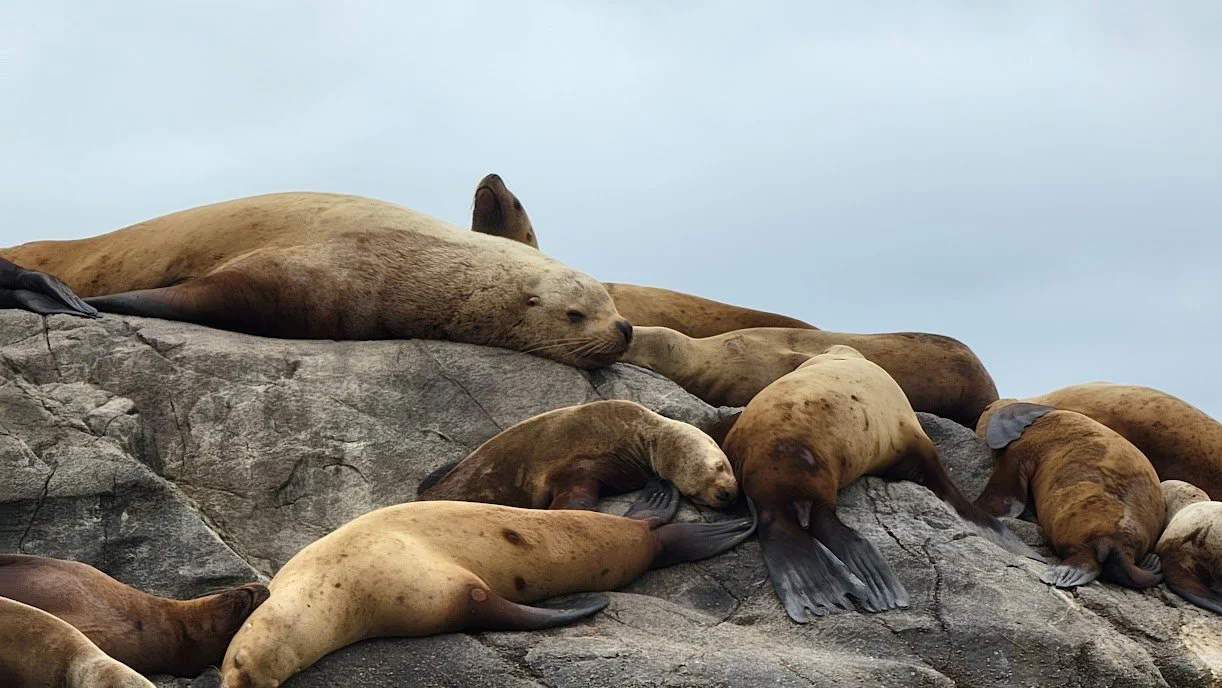
Imagine yourself gliding across the glassy waters of Icy Strait, the salty Alaskan air whipping through your hair, when suddenly a chorus of deep, guttural barks echoes from a rocky outcrop. That’s the unmistakable sound of Steller sea lions, the charismatic giants that call the waters around Gustavus, Alaska, their home. Nestled at the gateway to Glacier Bay National Park, Gustavus isn’t just a quiet town of about 500 people—it’s your front-row ticket to some of the most vibrant marine life in the Last Frontier. Let’s dive into the world of these fascinating creatures: how often you’ll spot them, their cheeky habit of snatching fish from fishermen, the vital role they play in the ecosystem, and why they’re a photographer’s dream. Whether you’re planning to kayak or hop on a boat tour, this guide will prep you for an unforgettable Alaskan adventure.
So, how common are sea lions around Gustavus? In a word: plentiful. If you’re visiting during the summer months, from May to September, you’re almost guaranteed to see them in the waters of Icy Strait, which feeds into Glacier Bay. Named after naturalist Georg Wilhelm Steller, these sea lions have made a remarkable comeback in the region. Decades ago, their numbers were shrinking due to overfishing and other pressures, but around Gustavus, they’re thriving. Rocky outcrops like South Marble Island, a short boat ride away, are packed with hundreds of these animals lounging, breeding, and socializing. Even in winter, while some migrate, plenty stick around to feast on schools of herring near the coast. Head out from Bartlett Cove, the heart of Glacier Bay near Gustavus, and you’ll likely spot their sleek heads bobbing or hear their roars echoing across the water. They’re as much a part of the Alaskan seascape as the glaciers themselves.
Beware The Fish Thief
Now, let’s talk about their mischievous side. Sea lions aren’t just content to pose for photos—they’ve earned a reputation as crafty fish thieves. Imagine you’re fishing off a charter boat, reeling in a prized halibut or salmon, when a massive sea lion swoops in and snags it right off your line. It’s a classic Alaskan tale! These clever creatures have figured out that humans mean easy meals, and they’re not shy about capitalizing on it. Around Gustavus and nearby areas, fishermen often find themselves outwitted by sea lions that dart in to grab hooked fish or even swarm nets for a quick feast. Their intelligence and adaptability make them formidable, but it can be a headache for those trying to make a living from the sea. If you’re fishing near Gustavus, stay sharp—some use noisemakers to scare them off, though these don’t always work. One big no-no: never feed them. It’s illegal and encourages bold behavior, turning these wild animals into pests. But honestly, you’ve got to admire their hustle—it’s all part of the untamed Alaskan charm.
Speaking of untamed, let’s cover some safety tips. Steller sea lions are no small fry—males can weigh over 2,500 pounds and stretch 11 feet long, while females hit around 800 pounds. They’re lightning-fast in water, hitting speeds up to 25 mph, and on land, they can charge if they feel cornered. The golden rule? Keep your distance. Aim to stay at least 100 yards away from their haulouts—those rocky spots where they rest—especially during pupping season in late spring and early summer. If you see them raising their heads, barking loudly, or splashing, that’s their way of saying “back off.” Kayaking in Bartlett Cove or hiking coastal trails? Bring binoculars to enjoy the show safely. Another thing to watch for is entanglement—sea lions sometimes swallow hooks while stealing fish, which can injure or kill them. And keep an eye on the water; orcas, their natural predators, can make sea lions skittish. Respecting their space keeps everyone safe and ensures these animals stay wild.
They Look So Lazy…
On the flip side, sea lions are ecological rock stars. They’re top predators, munching on everything from pollock and herring to salmon and even octopus, which helps keep fish populations in check. In the nutrient-rich waters around Gustavus, fueled by upwelling currents, they thrive, supporting a food web that includes everything from tiny plankton to massive humpback whales. They’re not invincible, though—orcas and sharks occasionally prey on them, maintaining nature’s balance. Historically, indigenous Alaskan communities, like the Tlingit, used sea lions sustainably for meat, oil, hides, and tools, weaving them into cultural practices that honored the environment. Today, their strong numbers around Gustavus reflect successful conservation efforts, showing how protected areas can revive biodiversity. Even their haulouts play a role, fertilizing coastal soils with nutrient-rich waste that boosts plant growth and stabilizes shorelines. In short, sea lions are the ecosystem’s MVPs, keeping the marine world humming while adding that wild Alaskan spark.
Smile For The Camera!
Gustavus is a paradise for capturing sea lion magic. Imagine snapping a bull sea lion roaring against a backdrop of jagged glaciers or a pup nuzzling its mom on a misty morning. The best spots? One of the easiest places to see the “local” sea lions is to head to the fishing dock in Gustavus, where the local lions hang out waiting for discarded fish offal from the many charters that dock there. Want something a little more “wild?” Take a boat tour from Gustavus to Icy Strait Point or South Marble Island, where colonies sprawl across rocks, often joined by puffins and murrelets for extra flair. Kayaking in Bartlett Cove gives you quieter, closer views—perfect for dawn shots when the light is golden. For serious photographers, multi-day cruises into Glacier Bay offer access to prime haulouts like Graves Rocks, where you can catch males sparring or diving in sync. Pro tips: use a telephoto lens (300mm or more) to shoot safely, aim for low tide when more sea lions are on the rocks, and be patient—they’ll give you the shot if you wait. The light in Gustavus is a photographer’s dream, with misty mornings and long summer days creating endless opportunities. Just play it ethical—no drones near haulouts, as they can spook the animals. Share your photos responsibly to spread the love for conservation, and check out local galleries in Gustavus for inspiration from wildlife artists.
The sea lions of Gustavus are more than just wildlife; they’re a window into Alaska’s raw, untamed soul. From their booming populations and fish-snatching antics to their ecological importance and photogenic charm, they’re a highlight of any trip. Whether you’re sipping coffee at a Gustavus lodge or cruising through Icy Strait, keep your eyes peeled for those bobbing heads. They might steal your fish—or your heart. Plan your visit, respect the wild, and get ready for memories that’ll last a lifetime. Alaska’s calling, and the sea lions are ready to greet you!
