
What to Do With Hailbut
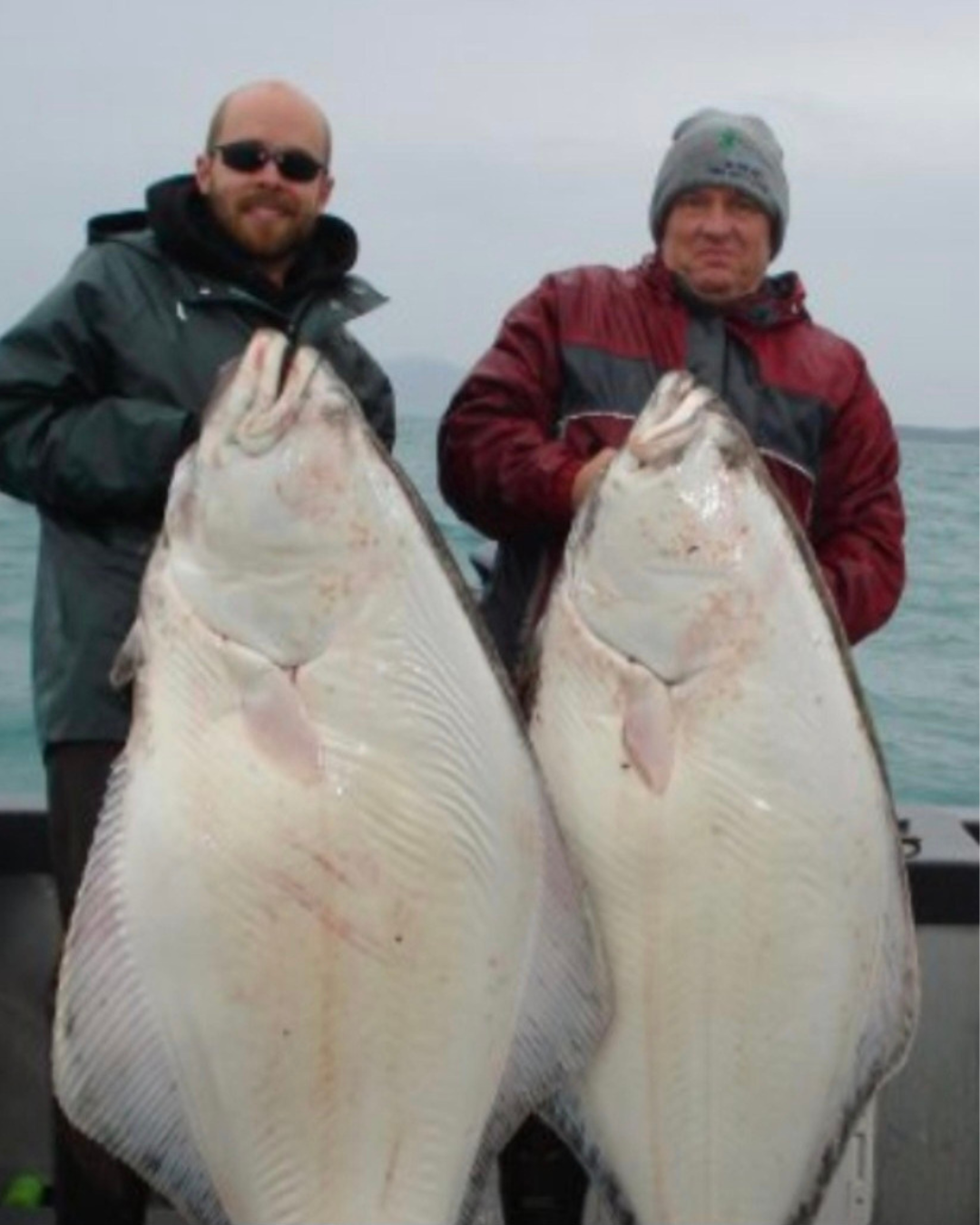
Congratulations on scoring that box of frozen halibut fillets from southeast Alaska! There's nothing quite like the thrill of hauling in a fresh catch from those pristine waters around Gustavus, then flying it home to savor over the months ahead.
Halibut is such a versatile, mild-flavored fish—flaky, meaty, and not at all "fishy" tasting—which makes it perfect for novice chefs who might be intimidated by seafood. But handling, caring for, and preparing it right is key to keeping that ocean-fresh quality intact. I'll walk you through everything you need from tried-and-true tips that Alaskans swear by-the travel logistics, storage secrets, longevity in the freezer, and wrap up with a simple, favorite Alaskan recipe that's beginner-friendly.
First off, let's talk about that journey home, especially if your itinerary includes an overnight stay in Juneau. Southeast Alaska's flight schedules can be tricky—weather delays are common, and you might end up with a layover before hopping on a bigger plane out of Juneau International Airport. If you're staying overnight, finding proper freezer storage for your fish box is absolutely crucial. Why? Because halibut is frozen solid when you get it from the processor or charter, typically packed in insulated foam boxes designed to hold the cold for about 24 hours in transit. But if you're lingering in Juneau, where summer temps in June can hit the 60s or 70s Fahrenheit, that box could start thawing if left in a hotel room or car. Thawing and refreezing isn't just a hassle—it ruins the texture, making the fillets mushy and prone to freezer burn later on. Refreezing seafood after it's partially thawed severely alters its quality, leading to dryness and off-flavors.
Trust me, you don't want to waste that premium Alaskan halibut on something preventable.
So, what's the best move? Eagle’s Nest Lodge in Gustavus, Alaska can recommend and even help coordinate services in Juneau for overnight freezer storage. For instance, places like Alaska Seaplanes at the Juneau airport have walk-in freezers where you can stash your box for a small fee, often around $25 a day.
If you're flying with Alaska Airlines, they have guidelines for perishable items like frozen fish—make sure it's thoroughly frozen before checking it as baggage, and use airline-approved boxes to avoid leaks or issues. When I hear stories from folks who've done this trip, they always emphasize calling your lodge or the airport in advance to confirm storage options. It's a small step that saves big headaches, ensuring your halibut arrives home as rock-hard frozen as when it left the boat.
Once you're wheels-up, keep an eye on your luggage; if there's any delay, alert the airline staff so they can handle it properly. Now, assuming you've made it home with your treasure trove intact, the next big question is how to keep that halibut fresh for the longest possible time. The goal here is to maintain that just-caught taste and texture, avoiding freezer burn, which happens when air exposure causes the fish to dry out and develop those unappetizing icy crystals. The absolute best way to do this is vacuum sealing.When you fish at Eagle’s Nest Lodge, we vacuum seal everything for you! Sometimes, though, you may need to re-portion your fish once you get home… Here’s how.
Start by portioning the fillets into meal-sized pieces, say 6-8 ounces each, so you don't have to thaw the whole slab at once. Pat them dry with paper towels to remove excess moisture, then seal them in bags, sucking out all the air. This creates a tight barrier against oxygen, which is the enemy of freshness. If you don't have a vacuum sealer, no worries—there's a solid backup method using water and ziplock bags. Submerge the fillet in a bag filled with water (enough to cover it completely), seal it while pushing out the air, and freeze it like that. It forms a protective ice block around the fish, which works wonders for preventing burn. Another tip: Wrap each piece tightly in plastic wrap first, then pop it into a freezer bag, squeezing out as much air as possible. Store everything in the coldest part of your freezer, ideally at 0°F or below, and avoid the door where temps fluctuate. Label your packages with the date—it's easy to lose track in a 50-pound haul! For extra longevity, some folks wet the fillets before bagging to create an ice glaze, but vacuum sealing is king for keeping halibut tasting fresh.
Remember, once thawed, cook it right away; don't refreeze unless you've cooked it first.
How Long Will Vacuum Sealed Fish Last?
Speaking of longevity, how long can you expect your vacuum-sealed frozen halibut to last? If done right, it can stay in prime condition for up to two years or even longer in a deep freezer. Vacuum sealing extends the shelf life dramatically compared to just wrapping in foil or plastic— we're talking jumping from about 6 months to 1-2 years without significant loss in quality. Factors like your freezer type play a role; frost-free freezers can shorten this a bit because they cycle air to prevent frost buildup, which might dry things out faster, but a manual defrost model could push it to two years easily if sealed well. I've seen reports of halibut lasting well over 2 years- and even up to 3- without issues. The key is consistent freezing— if your power goes out or the freezer warms up, that clock ticks faster. Always check for signs of spoilage before cooking: if it smells sour, looks discolored, or has excessive ice crystals, it's better to toss it-But with proper vacuum sealing, your 50 pounds could feed you delicious meals for seasons to come.
How to Prepare Halibut
Alright, now let's get to the fun part: preparing and cooking your halibut. If you’re a novice chef, start simple—halibut's natural sweetness shines with minimal fuss.
First, thawing: Never thaw at room temperature or in hot water, as that invites bacteria and uneven texture. The safest way is in the fridge overnight—place the sealed fillet in a bowl to catch any drips. If you're in a rush, submerge it (still sealed) in cold water, changing the water every 30 minutes; it should be ready in an hour or two. Once thawed, pat dry, and inspect for any bones—halibut fillets are usually boneless, but run your fingers over them just in case. For cooking, halibut is forgiving but overcooks easily, turning dry if you're not careful. Aim for an internal temperature of 145°F; it should flake easily with a fork but still be moist. You can bake, grill, pan-sear, or even poach it. If cooking from frozen (yes, you can!), methods like broiling or baking work great—just add a few extra minutes. Season simply with salt, pepper, lemon, and herbs to let the fish star. Pan-searing is beginner-friendly: Heat oil in a skillet over medium-high, sear for 4-5 minutes per side until golden. Baking is even easier—pop it in a 425°F oven for 12-15 minutes. Avoid heavy batters at first; focus on fresh flavors.
One of the most favorite ways to cook halibut is also the easiest- simply batter and fry like you would any other fish and serve with lemons and tartar sauce!
An Alaskan Favorite
One of our favorite Alaskan recipes for halibut is a simple baked version that's popular up north for its ease and bright, herby taste. It's called Easy Baked Alaskan Halibut, and it's perfect for novices because it requires minimal prep and just a handful of ingredients. Alaskans love it for evoking those fresh-off-the-boat meals, often served with wild berries or local veggies on the side. Here's how to make it for about 4 servings—scale up as needed from your stash. Ingredients: 1.5 pounds halibut fillets (thawed or fresh)
4 tablespoons butter, melted Juice of 1 lemon (about 2-3 tablespoons)
1 teaspoon sea salt 1 teaspoon dried herbes de Provence (or a mix of thyme, oregano, and rosemary if you don't have it)
Fresh lemon slices for garnish (optional)
Chopped parsley for topping (optional)
Instructions: Preheat your oven to 400°F and lightly grease a baking dish with oil or butter to prevent sticking. Pat the halibut fillets dry with paper towels and place them in the baking dish in a single layer. In a small bowl, whisk together the melted butter, lemon juice, sea salt, and herbes de Provence until well combined. Pour the mixture evenly over the fillets, making sure they're coated on top. Bake uncovered for 12-15 minutes, or until the fish flakes easily with a fork and is opaque throughout. Don't overbake—check at 12 minutes. Remove from the oven, let it rest for a minute, then garnish with lemon slices and parsley if you like.
Serve hot with sides like steamed veggies or rice. This recipe highlights the halibut's natural flakiness without overwhelming it, and the lemon-butter sauce adds a zesty kick that's quintessentially Alaskan. It's quick, about 20 minutes total, and forgiving if you're new to timing fish.
Experiment once you're comfortable—maybe add garlic or paprika for spice.
Handling your Alaskan Catch is all about respect for the fish: secure storage on the way home, smart freezing techniques, and gentle preparation. With these tips, you'll enjoy that Alaskan bounty for up to two years, turning novice nerves into confident cooking. If you have more questions, like variations on the recipe, just holler—and happy eating!
