
Navigating Bear Country
Navigating Bear Country: Your Guide to Staying Safe Around Gustavus in Southeast Alaska
If you're planning a trip to Southeast Alaska, especially the town of Gustavus, you're in for a treat. Nestled right on the edge of Glacier Bay National Park, this spot is a gateway to some of the most breathtaking wilderness on the planet—think towering glaciers, lush rainforests, and crystal-clear waters teeming with wildlife. But let's be real: one of the stars of the show here isn't just the scenery; it's the bears.
These magnificent creatures are a big part of what makes Alaska feel so wild and alive. However, sharing space with them means you need to know how to do it responsibly. In this article, we're diving into everything you need to know about dealing with bears in the Gustavus area. We'll chat about the types of bears you'll likely run into, share some practical tips to steer clear of any hairy situations, and break down what gear you should consider packing for protection—like bear spray and firearms. And hey, if you're staying at Eagles Nest Lodge, they've got your back with lendable bear spray. Let's make sure your Alaskan adventure is memorable for all the right reasons.
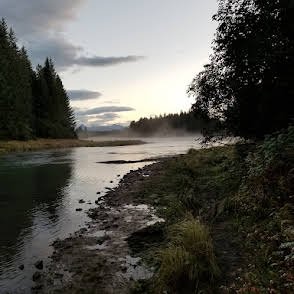
Picture this: You're hiking along a misty trail in Glacier Bay, the air crisp with the scent of spruce and saltwater, when suddenly you spot a shadowy figure ambling through the underbrush. Is it a bear? Probably! But don't panic—that's where knowledge comes in. Gustavus sits in a prime bear habitat, where these animals roam freely, foraging for salmon, berries, and whatever else nature provides. Understanding them starts with knowing who's who in the bear world around here.
The Bears of Gustavus: Who's Roaming the Woods?
Southeast Alaska, including the Gustavus region, is home to two primary bear species: brown bears (also known as grizzlies) and black bears. These aren't your cuddly teddy bears; they're powerful apex predators adapted to this rugged environment. Brown bears are the big guys on the block here. They can weigh up to 1,000 pounds or more, with that signature hump on their shoulders and a dish-shaped face. In the Glacier Bay area, brown bears tend to hang out in more open spaces, especially where they can feast on sedges, fish, and marine life washed ashore. They're often spotted along coastlines or meadows, and during salmon runs, they become fishing pros, swatting fish right out of streams.
Then there are the black bears, which are smaller—usually topping out at around 300-400 pounds—but no less impressive. These bears have straighter profiles, no shoulder hump, and often a more pointed muzzle. They're forest dwellers at heart, preferring the dense woods around Gustavus. Black bears are opportunistic eaters, munching on berries, roots, and the occasional small mammal. Fun fact: In this part of Alaska, you might even catch a glimpse of a rare color variant called the glacier bear. These aren't a separate species but a grayish-blue morph of the black bear. While sightings near Gustavus are less common, they're a reminder of how diverse wildlife can be here.
Why does this matter to you? Well, behavior differs between species. Brown bears are more likely to stand their ground if surprised, while black bears might climb a tree to escape. Knowing the difference can help you react appropriately. Plus, both species are protected in Glacier Bay, so respecting their space isn't just smart—it's the law. Gustavus itself sees a healthy population of these bears, providing epic viewing opportunities but also requiring vigilance. If you're into wildlife watching, places like Admiralty Island (a short flight from Juneau, which connects to Gustavus) are bear hotspots, but stick to guided tours for safety.
Dodging Drama: Tips to Avoid Bear Conflicts
Alright, now that we've met the locals, let's talk about how to coexist without any unwanted close encounters. The key? Prevention. Bears aren't out to get you—they're just living their lives. Most conflicts happen when bears get surprised or attracted to human food. So, how do you keep things peaceful?
First off, make some noise! Bears have great hearing, but they're not mind readers. If you're hiking solo or in a small group, chat loudly, clap your hands, or yell "Hey bear!" especially around blind corners, dense brush, or noisy streams. This gives them a heads-up that you're coming, and they'll usually mosey off. And hey, don't rely solely on bear bells; they're not always effective in windy or watery areas.
Next, mind your munchies. Bears have noses like superheroes—they can smell food from miles away. Store all food, trash, and scented items (like toothpaste or sunscreen) in bear-proof containers or, if you’re out camping or have food on shore while you’re fishing, hang them high in a tree at least 10 feet off the ground and 4 feet from the trunk. In campgrounds around Gustavus, use provided bear boxes if available. If you're backpacking in Glacier Bay, food storage canisters are a must for backcountry trips—don't skip this step, or you could end up with a furry visitor raiding your tent at night. Pro tip: Cook and eat away from your sleeping area to avoid associating your tent with dinner smells.
Travel smart, too. Hike in groups of three or more whenever possible—bears are less likely to approach larger parties. Stick to established trails during the day, and avoid dawn or dusk when bears are most active. If you're kayaking or boating in Glacier Bay (a must-do from Gustavus), keep a clean vessel and store gear properly on shore.
What if you do see a bear? Stay calm—easier said than done, I know! Assess the situation: If it's far away and unaware of you, quietly back away without turning your back. No running—that can trigger a chase instinct. If it's closer, speak in a firm, calm voice: "Hey bear, I'm here." For black bears, make yourself look big by waving arms; they might bluff charge but often retreat. Brown bears? Play dead if contact seems imminent—lie flat on your stomach, hands over neck, legs spread. But remember, most encounters end without incident if you give them space.
Education is your best friend. Before heading out, talk to locals or rangers in Gustavus. They can share insights on local bear activity, like how bears emerge from hibernation in spring (around May) and bulk up for winter in fall. Being informed turns potential fear into fascination.
Arming Yourself: Bear Protection Essentials in Alaska
Even with all the prevention in the world, it's wise to carry protection. In Alaska's vast wilderness, where help might be hours away, being prepared could save your life. The big debate? Bear spray versus firearms. Let's unpack both, based on what works in spots like Gustavus.
Bear spray is often the go-to for good reason. It's a powerful deterrent made from capsaicin (the stuff in hot peppers) that creates a burning cloud when sprayed, irritating a bear's eyes, nose, and lungs without causing permanent harm. It's effective in stopping aggressive bears and easier to deploy under stress—no need for pinpoint accuracy. Just aim for the face from 20-30 feet away, and spray in short bursts. In Alaska, it's legal everywhere, and you can buy it in Gustavus at local outfitters. Practice with an inert can first—know how to remove the safety quickly. And if you're flying in, check airline rules; bear spray counts as hazardous material.
Now, about firearms: They're a staple in Alaska, where state laws allow open carry without a permit for adults over 21. Many locals swear by them for bear defense, especially in remote areas. If you go this route, opt for something beefy—a .44 Magnum revolver, 10mm pistol, or better yet, a shotgun with slugs for stopping power. But here's the catch: Guns require serious proficiency—regular range time and knowledge of bear anatomy (aim for the head or shoulders). Plus, discharging a firearm in a national park like Glacier Bay is only allowed in true self-defense situations, and you'll face scrutiny afterward. If you're not experienced, stick to spray; even experts often carry both but reach for spray first.
A combo approach works for many: Bear spray on your hip for quick access, firearm as backup. But remember, no tool is foolproof—prevention trumps reaction every time. If you're staying at Eagles Nest Lodge in Gustavus, you're in luck. This cozy spot, known for its top-notch halibut fishing charters and warm hospitality, provides guests with access to bear spray that they can lend out during your stay. It's a thoughtful perk that lets you focus on the fun without worrying about sourcing gear right away. Just ask the staff—they're locals who know the area inside out and can share personalized tips.
Embrace the Wild with Respect
There you have it, folks—a crash course in bear savvy for your Gustavus getaway. From identifying those majestic brown and black bears (and maybe a glacier bear if you're lucky) to mastering avoidance tactics like noisy hikes and secure camps, you're now equipped to enjoy Southeast Alaska's wonders safely. And with bear spray or a firearm in your toolkit—plus that handy lend from Eagles Nest Lodge if you're their guest—you'll feel confident stepping into bear country.
But let's end on this: Bears aren't the villains; they're vital to the ecosystem, controlling populations and enriching the soil with their foraging. By respecting them, you're helping preserve this pristine corner of the world for future explorers. So, pack your sense of wonder, leave no trace, and who knows? Your bear sighting might just be the highlight of your trip. Safe travels, and remember: In Alaska, the wild calls—answer it wisely.
