
What to Do With Silver Salmon
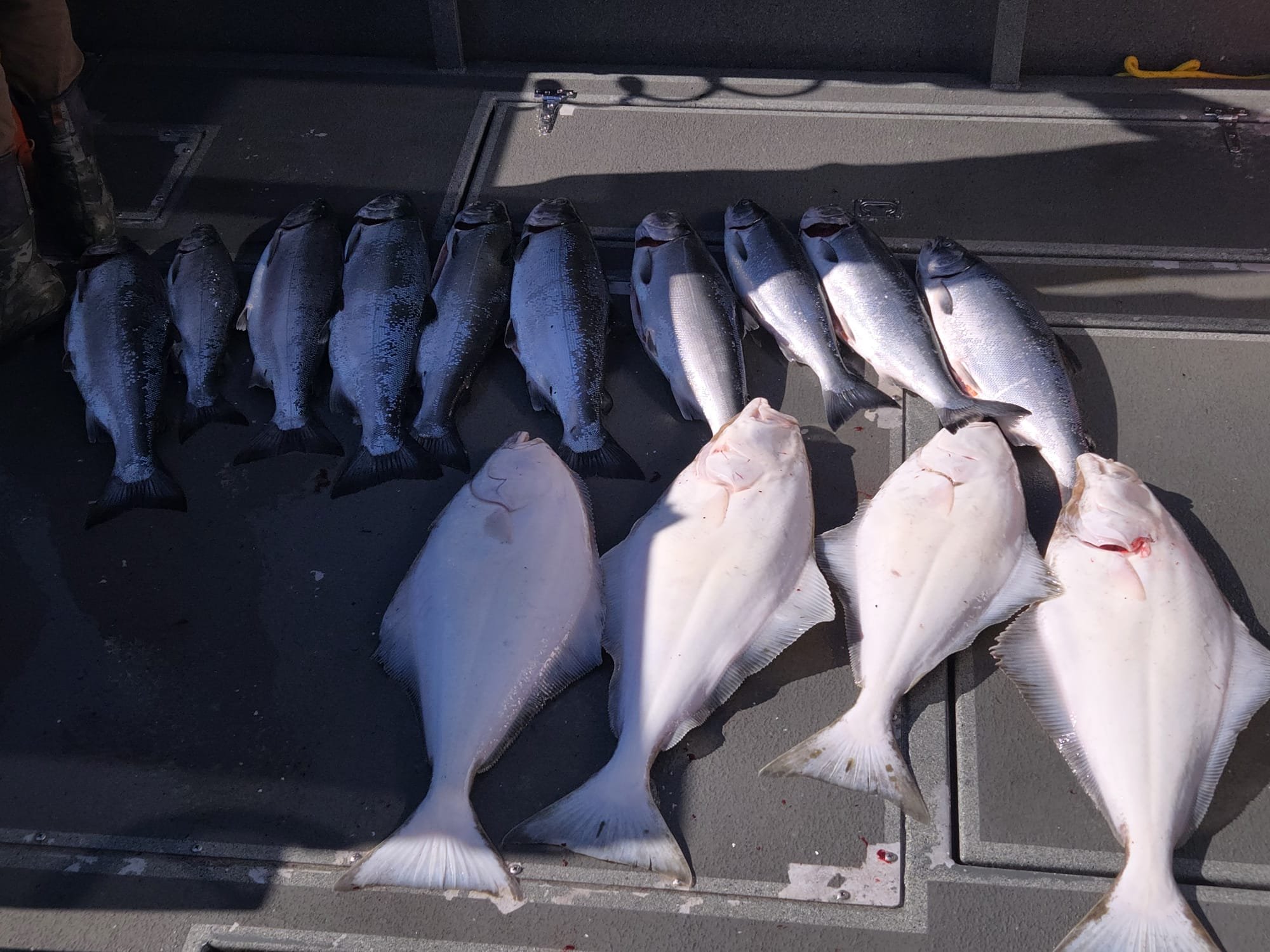
So, you had a great visit with us at Eagle’s Nest Lodge, and you brought back a a 50-pound box of frozen silver salmon fillets!
Those coho salmon, with their bright silver scales and that rich, buttery flavor when cooked just right, are a true prize from the wild waters around Gustavus.
Silver salmon, also known as coho, have this vibrant pink flesh that's firmer than some other salmon varieties, with a milder taste that's less oily than king salmon but still packed with omega-3s. It's super versatile for grilling, baking, or even smoking, and as a novice chef, you'll love how forgiving it is—no strong fishy smell to worry about.
To make the most of your haul, proper handling, care, and prep are essential. I'll guide you through it all- travel tips, storage hacks, how long it'll last frozen, and a go-to Alaskan recipe that's easy for beginners. Let's get into it.
It Starts When You Leave
Start your planning with the trip home, because nothing's worse than your hard-earned catch going south mid-journey.
If your flight plan has you overnighting in Juneau—which happens a lot with those regional hops from smaller towns like Gustavus—prioritizing overnight freezer storage is non-negotiable. Those boxes your fillets come in are tough, designed to keep things frozen for about 24-48 hours in transit, but Juneau's summer weather can creep into the 60s or higher, and a hotel room isn't a freezer. Letting it thaw even partially and then refreezing? That's a recipe for tough, dry fish later, as the ice crystals damage the delicate flesh and invite bacteria. Silver salmon's higher oil content makes it a bit more resilient than “white” fish, but you still risk off-flavors and texture loss.
The smart play is to arrange freezer space ahead of time. Alaska Seaplanes at the Juneau airport offers walk-in freezer storage right there, often for around $25 per day. If you're staying at a hotel, most in Juneau—like the ones downtown or near the airport—have complimentary freezers for guests' fish boxes; just call ahead to confirm.
When flying out, stick to airline rules: Alaska Airlines is great for this, requiring solidly frozen, leak-proof boxes as checked baggage. I've heard from plenty of anglers that this one step turns potential disasters into smooth sails—your salmon arrives home frozen solid, ready for the long haul.
Once you're back with that hefty box, keeping your silver salmon fresh for as long as possible boils down to smart storage that fights off freezer burn and oxidation. Silver salmon's natural oils help it hold up better in the freezer than leaner fish, but air is still the big bad guy, causing those whitish patches and bland tastes over time. The gold standard? Vacuum sealing.
At Eagle’s Nest Lodge, we vacuum seal, pack and freeze your fish every day so that you don’t have to worry about spoilage or freezer burn.
What if you get home and decide that you can’t eat all of one package and don’t have your own sealer? You've got options.
Wrap each fillet snugly in parchment paper to prevent sticking, then tuck into airtight freezer bags or silicone containers, squeezing out every bit of air. Another trick: The water displacement method—submerge the bagged fillet in water to force air out before sealing. Store in the back of your freezer at 0°F or colder, away from the door to dodge temp swings, and slap on labels with dates. For extra protection, some folks flash-freeze portions on a sheet pan first before bagging, or keep them in a dedicated chest freezer for even longer life. The key is consistency—power outages or frequent openings shorten shelf life, so monitor that. With these steps, your salmon stays as fresh-tasting as the day it was caught.
How Long Will Silver Salmon Last In The Freezer?
Now, on to how long vacuum-sealed frozen silver salmon actually lasts. Done properly, you're looking at 1-2 years of peak quality in a standard freezer, and potentially up to 3 years if you've got a deep freeze and impeccable sealing. That's a huge leap from unsealed, which might only go 2-3 months before freezer burn sets in. Vacuum sealing removes oxygen, preserving the oils that keep coho moist and flavorful. Some sources swear by 6-12 months for optimal taste, but Alaskan processors often stamp a 2-year shelf life on their packs.
Factors like your freezer type matter—frost-free models might trim a few months due to air circulation, while manual defrosts extend it. Always sniff test before cooking: If it's sour, slimy, or heavily iced over, pitch it. But with good practices, that 50 pounds could yield meals for years without a hitch.
How to Prepare Silver Salmon
When it's time to cook, prepping silver salmon is straightforward and beginner-proof, emphasizing its natural richness.
Thawing first: Skip the counter or microwave—those breed bacteria and make the flesh mushy. Best bet is the fridge overnight in a sealed bag or on a plate to catch drips; it'll be ready in 8-12 hours. In a pinch, cold water submersion works—seal it in a bag, change water every 30 minutes, done in 1-2 hours. Pat dry post-thaw, check for pin bones (coho usually come boneless, but feel around), and season lightly—salt, pepper, maybe dill or garlic to complement the mild nuttiness.
Cooking-wise, aim for 145°F internal temp; it'll flake but stay juicy. Overcooking turns it dry, so use a thermometer if you're new. You can even cook from frozen—bake or broil with extra time, covering to steam gently.
Pan-searing: Medium heat, 4-5 minutes per side for crispy skin. Baking: 425°F for 12-15 minutes. Grilling adds that smoky Alaskan vibe. Keep it simple at first—no need for fancy marinades until you're comfy.
For a favorite Alaskan recipe, let's go with something inspired by those cruise-ship feasts and wilderness grills: Alder-Smoked Baked Silver Salmon. It's a nod to traditional Alaskan methods, using simple ingredients for a sweet-tangy glaze that highlights the coho's freshness. Easy for novices, about 25 minutes total, and serves 4—perfect from your frozen stash.
Ingredients:
1.5 pounds silver salmon fillets (thawed)
4 tablespoons butter, melted
2 tablespoons brown sugar
Juice of 1 lemon (about 2 tablespoons)
2 tablespoons white wine (or substitute with apple cider vinegar for non-alcoholic)
1 teaspoon sea salt
1/2 teaspoon black pepper
Optional: A handful of alder wood chips if you have a smoker box, or smoked paprika for oven "smoke"
Instructions:
Preheat oven to 400°F. Line a baking sheet with foil and lightly grease it.
Pat the salmon dry and place skin-side down on the sheet.
In a bowl, mix melted butter, brown sugar, lemon juice, white wine, salt, and pepper until smooth.
Brush the glaze generously over the fillets.
If using, sprinkle smoked paprika or add wood chips to a foil packet for subtle smoke.
Bake for 12-15 minutes until it flakes easily and reaches 145°F.
Let rest 2 minutes, then serve with lemon wedges and sides like wild rice or berries.
This captures that Alaskan essence—sweet from the sugar, bright from lemon, with a hint of smoke evoking open fires. Tweak it as you gain confidence, maybe add ginger for zing.
All in all, treating your silver salmon right—from Juneau freezers to home storage and simple cooks—means enjoying that wild Alaskan magic for up to two years. You've got this, novice or not; it's all about the basics. Questions on tweaks? Fire away—and bon appétit!
